
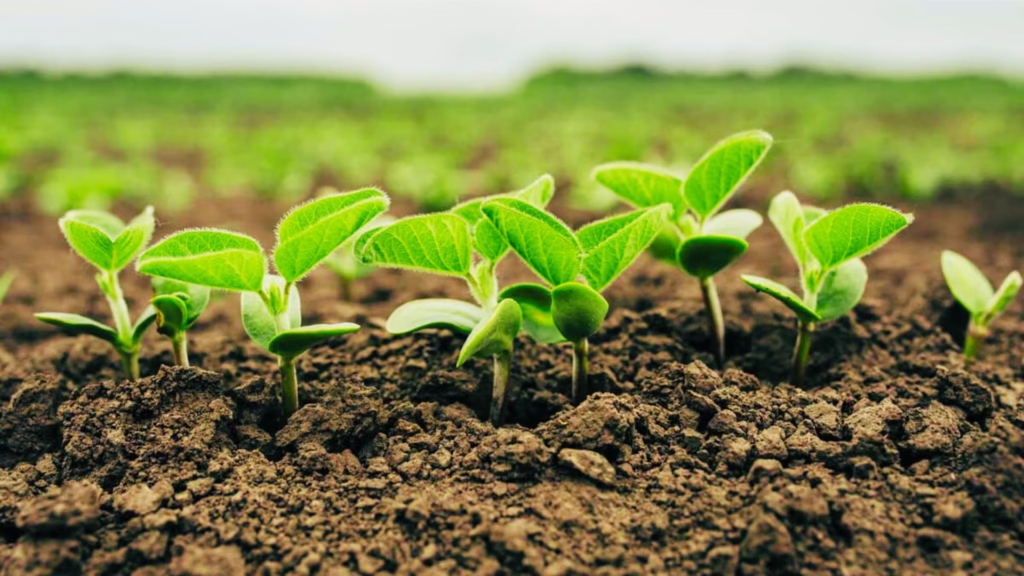
Soil is the foundation of plant growth, providing essential nutrients, water, and support for roots. The quality of soil directly impacts plant health, crop yield, and garden success. Understanding the factors that influence soil quality allows gardeners, farmers, and landscapers to create optimal conditions for plants to thrive. From nutrient content to texture and pH, soil plays a critical role in sustaining healthy vegetation.
Key Components of Soil Quality
Healthy soil is a complex mixture of minerals, organic matter, water, air, and living organisms. The main components include:
- Minerals: Provide essential nutrients like nitrogen, phosphorus, and potassium that plants need to grow.
- Organic Matter: Improves soil structure, retains moisture, and supplies nutrients through decomposition.
- Soil Texture: The proportion of sand, silt, and clay affects drainage, aeration, and root penetration.
- Soil pH: Influences nutrient availability and microbial activity; most plants prefer slightly acidic to neutral soils (pH 6–7).
- Microorganisms: Beneficial bacteria and fungi help break down organic matter and support nutrient cycling.
Each of these factors contributes to the overall fertility and productivity of the soil.
How Soil Quality Influences Plant Growth
1. Nutrient Availability
Plants require macronutrients (nitrogen, phosphorus, potassium) and micronutrients (iron, zinc, magnesium) for growth and development. Poor soil quality, depleted nutrients, or imbalanced composition can lead to stunted growth, leaf discoloration, and reduced yields. Regular soil testing helps determine deficiencies and informs fertilization strategies.
2. Water Retention and Drainage
Soil texture affects how well soil retains water while allowing excess to drain. Sandy soils drain quickly but may not hold enough moisture, while clay soils retain water but can cause root rot if poorly drained. Loamy soils, which balance sand, silt, and clay, generally provide ideal conditions for plant roots.
3. Root Development
Healthy soil allows roots to penetrate easily, providing stability and access to water and nutrients. Compacted or rocky soils restrict root growth, making plants more vulnerable to stress and reducing their ability to absorb nutrients.
4. Microbial Activity
Beneficial soil microorganisms support nutrient cycling, decompose organic matter, and suppress harmful pathogens. Poor soil conditions or excessive chemical use can reduce microbial populations, negatively affecting plant health. Compost, mulch, and natural fertilizers help maintain a thriving microbial ecosystem.
5. pH Balance
Soil pH affects the solubility of nutrients. Acidic soils may limit availability of calcium and magnesium, while alkaline soils can restrict iron and phosphorus uptake. Adjusting pH through lime (to raise pH) or sulfur (to lower pH) ensures plants can access essential nutrients.
Improving Soil Quality for Better Plant Growth
1. Add Organic Matter
Incorporating compost, manure, or mulch improves soil structure, moisture retention, and nutrient availability. Organic matter also supports beneficial microbes and reduces erosion.
2. Practice Crop Rotation and Cover Cropping
Rotating crops and planting cover crops prevents nutrient depletion, reduce soil-borne diseases, and maintains soil fertility over time.
3. Test and Amend Soil
Regular soil testing identifies deficiencies or imbalances. Adding fertilizers, lime, or sulfur as needed ensures optimal conditions for plant growth.
4. Avoid Soil Compaction
Limit heavy machinery or excessive foot traffic, especially when the soil is wet, to maintain aeration and root penetration. Raised beds can help reduce compaction in high-use areas.
You Can Also Read: water-conservation-households
5. Implement Proper Irrigation
Watering techniques like drip irrigation reduce runoff and ensure consistent moisture levels, improving plant growth while conserving water.
Benefits of Healthy Soil
- Higher Yields: Nutrient-rich soil supports vigorous growth and more productive plants.
- Resilient Plants: Healthy soil improves resistance to pests, disease, and environmental stress.
- Sustainable Gardening: Maintaining soil quality ensures long-term fertility and reduces the need for chemical inputs.
- Environmental Protection: Healthy soils reduce erosion, filter water, and support biodiversity.
Conclusion
Soil quality is a foundational factor in plant growth. Nutrient content, texture, pH, and microbial activity all influence how well plants develop, produce, and survive environmental challenges. By understanding the importance of soil health and implementing practices like adding organic matter, proper irrigation, and regular testing, gardeners and farmers can enhance plant performance and ensure sustainable growth.
For more insights on soil health, gardening tips, and sustainable practices, visit cheval de base.