
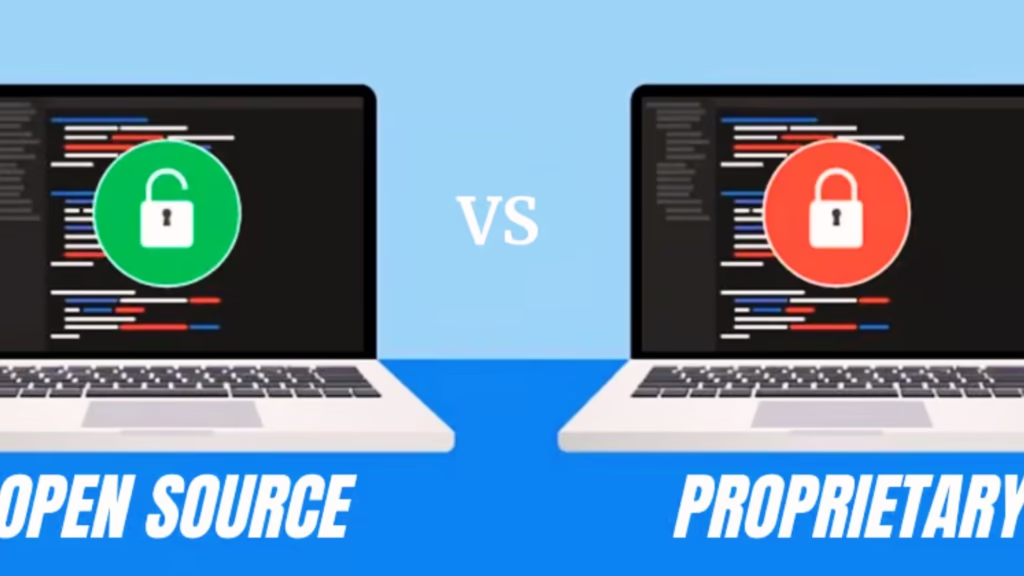
In the world of software, understanding the distinction between open-source and proprietary software is essential for businesses, developers, and end-users. Both types of software serve different purposes, offer unique advantages, and come with specific limitations. Choosing the right type impacts cost, flexibility, security, and overall usability.
What is Open-Source Software?
Open-source software (OSS) refers to programs whose source code is publicly available for anyone to view, modify, and distribute. It is often developed collaboratively by communities of developers worldwide. Popular examples include Linux, Apache, and Mozilla Firefox.
Key Features of Open-Source Software:
- Accessibility: Source code is openly accessible for inspection, learning, and modification.
- Customizability: Users can tailor software to meet specific needs.
- Collaboration: Community contributions drive innovation and updates.
- Cost-Effectiveness: Many open-source programs are free or low-cost.
- Transparency: Open code enhances security and trust, as vulnerabilities can be spotted and fixed quickly.
Open-source software is widely used in businesses, education, and individual projects due to its flexibility and collaborative nature.
What is Proprietary Software?
Proprietary software is developed, owned, and controlled by a specific company or individual. Users purchase licenses to use the software but do not have access to the source code. Examples include Microsoft Office, Adobe Photoshop, and Apple iOS.
Key Features of Proprietary Software:
- Ownership: Developed and maintained by a single entity.
- Restricted Access: Users cannot modify or redistribute the software without permission.
- Support and Updates: Vendors provide official updates, customer support, and warranties.
- Monetization: Software is sold or licensed, often generating revenue for the developer.
- User Experience: Often optimized for ease of use, stability, and professional applications.
Proprietary software is commonly chosen for enterprise environments, specialized tools, and commercial applications where official support and consistent updates are critical.
Key Differences Between Open-Source and Proprietary Software
| Aspect | Open-Source Software | Proprietary Software |
| Source Code Access | Fully accessible and modifiable | Restricted, not available to users |
| Cost | Usually free or minimal cost | Paid license or subscription required |
| Customization | Highly customizable | Limited customization |
| Support | Community-driven or optional professional support | Official vendor support guaranteed |
| Security | Transparent, community-reviewed | Vendor-controlled, may be less transparent |
| Updates | Frequent and community-driven | Scheduled by the vendor |
| Ownership | Owned by the community | Owned by the company/developer |
| Flexibility | Flexible and adaptable | Fixed functionality with limited flexibility |
These differences highlight the trade-offs between control, cost, support, and usability when choosing software solutions.
You Can Also Read: software-testing-improves-quality
Advantages of Open-Source Software
- Cost savings on licensing fees
- High flexibility and adaptability
- Rapid innovation from community contributions
- Transparency in security and functionality
- Educational value for learning coding and software development
Advantages of Proprietary Software
- Professional support and warranties
- Stable and polished user experience
- Compatibility with enterprise systems
- Regular updates and maintenance by the developer
- Compliance with legal and industry standards
Choosing Between Open-Source and Proprietary Software
The choice depends on organizational needs, technical expertise, and budget:
- Small businesses and startups: May prefer open-source software for cost-effectiveness and flexibility.
- Large enterprises: Often favor proprietary solutions for support, reliability, and compliance.
- Developers and tech enthusiasts: Open-source software allows experimentation, learning, and customization.
- Specialized industries: Proprietary software provides advanced features, vendor guarantees, and streamlined workflows.
Conclusion
Both open-source and proprietary software play critical roles in the digital ecosystem. Open-source software emphasizes flexibility, collaboration, and cost-efficiency, while proprietary software focuses on stability, support, and commercial reliability. Understanding their differences helps individuals and organizations make informed decisions based on goals, resources, and technical needs.
For more insights on software, technology, and development practices, visit Cheval de Base.