
In today’s fashion-conscious world, many people prioritize brand names over the actual fit of clothing. While designer labels and luxury brands can be appealing, the truth is that how clothes fit often has a greater impact on comfort, appearance, and confidence. Understanding the importance of fit helps consumers make smarter choices, feel comfortable in their attire, and express personal style effectively.
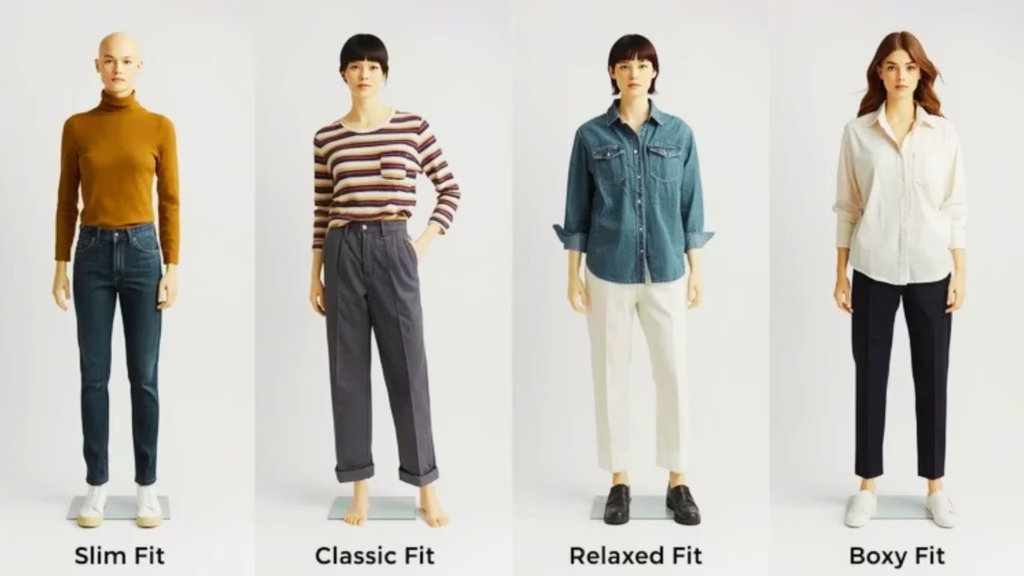
Why Fit Matters More Than Labels
1. Comfort and Mobility
Clothing that fits well allows for natural movement and long-term comfort. Tight or ill-fitting garments can restrict motion, create discomfort, and lead to health issues such as poor circulation. Conversely, a garment that fits properly supports posture, enables ease of movement, and enhances overall daily comfort, regardless of the brand.
2. Flattering Appearance
Properly fitted clothes accentuate an individual’s body shape and proportions. Even expensive designer items may look awkward if the sizing is incorrect. Well-fitting clothing balances proportions, hides problem areas, and enhances confidence, while oversized or too-tight items can distort appearance and reduce style impact.
3. Longevity of Clothing
Fit affects durability. Clothing that is too tight or too loose is more prone to wear and tear, stretching, or fabric damage. Choosing pieces that fit correctly ensures they maintain their shape and structure over time, making even affordable garments look premium for longer.
4. Confidence and Self-Expression
Fit has a direct impact on how individuals feel in their clothes. Wearing garments that complement the body boosts self-esteem and allows people to express their personality with confidence. Brand labels alone cannot provide this sense of self-assurance.
Common Fit Mistakes to Avoid
- Buying “For Size”: Choosing items solely based on the labeled size rather than actual measurements. Sizes vary across brands, so trying on clothes is essential.
- Ignoring Body Shape: Different cuts suit different body types; understanding your body shape ensures the best fit.
- Overlooking Alterations: Even great fits can be improved with minor tailoring to achieve the perfect silhouette.
- Following Trends Blindly: A popular style may not fit your body type, so prioritize comfort and proportion over trendiness.
Tips for Choosing the Right Fit
- Know Your Measurements: Regularly measure chest, waist, hips, inseam, and shoulder width.
- Try Before Buying: If possible, try garments on before purchasing, or check size charts carefully for online shopping.
- Focus on Key Garments: Prioritize fit in staple pieces like suits, jackets, and trousers—they have the most noticeable impact on appearance.
- Invest in Tailoring: Minor adjustments such as hemming pants or taking in seams can transform off-the-rack clothing into a perfect fit.
- Consider Fabric and Stretch: Fabrics with natural stretch can offer more flexibility and comfort without compromising style.
You Can Also Read: fashion-cycles-repeat-over-time
Why Brand Names Are Secondary
While brand names can signal status or quality, they are not always indicative of proper fit or style suitability. Expensive labels may follow seasonal trends that do not complement every body type, and off-the-rack sizing is rarely standardized. Prioritizing fit ensures the wearer looks good and feels comfortable regardless of the price tag.
When Brands Matter
- Quality and durability: Reputable brands often use better materials.
- Ethical production: Some brands prioritize sustainability and fair labor practices.
- Specific design features: Certain brands excel in tailoring or unique cuts.
Even in these cases, fit should remain the primary consideration, with brand reputation as a secondary factor.
Benefits of Prioritizing Fit
- Enhanced Comfort: Properly fitted clothes feel natural throughout the day.
- Flattering Silhouette: Clothes complement body shape and proportions.
- Versatility: Well-fitted garments can be styled in multiple ways for different occasions.
- Cost Efficiency: Investing in clothing that fits avoids frequent replacements due to wear or poor appearance.
- Personal Style: Fit allows the wearer’s personality to shine through, rather than relying solely on brand recognition.
Conclusion
In fashion, fit always outweighs brand names. Comfortable, well-fitted clothing enhances appearance, boosts confidence, and ensures longevity, making even affordable garments stylish and functional. By knowing your measurements, understanding body proportions, and considering tailoring when necessary, you can build a wardrobe that works for you. While brand names have their place, true style comes from how clothing fits and complements your personal identity.
For more insights on fashion, style tips, and wardrobe strategies, visit les 3 bases.