
Fashion is often described as cyclical, with styles from previous decades resurfacing in modern trends. From vintage patterns and retro silhouettes to revived accessories, understanding fashion cycles helps consumers, designers, and industry professionals anticipate trends and make informed choices. Fashion cycles are influenced by cultural shifts, technological advances, social movements, and nostalgia, creating a continuous loop of inspiration and reinvention.
What Are Fashion Cycles?
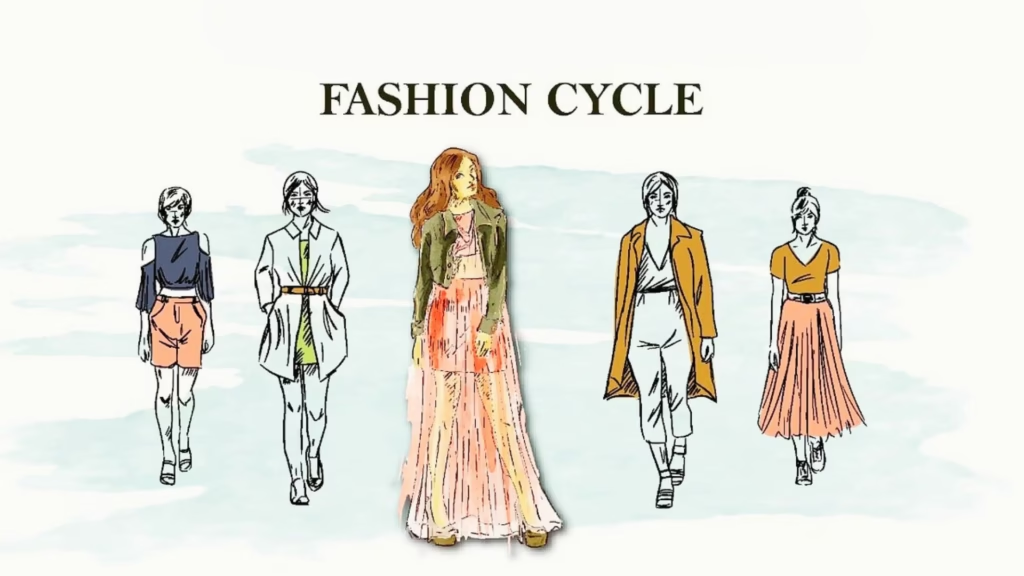
A fashion cycle refers to the process through which a particular style or trend emerges, gains popularity, and eventually fades before potentially resurfacing in a new form. Typically, fashion cycles follow several stages:
- Introduction: New designs are introduced, often by designers, influencers, or runway shows.
- Rise: Early adopters and trendsetters embrace the style, gradually increasing its visibility.
- Peak: The trend becomes mainstream, widely available in stores and media.
- Decline: Interest wanes as novelty fades, and consumers look for new styles.
- Obsolescence or Revival: The trend may disappear or return later with updated adaptations.
This cyclical pattern allows fashion to constantly evolve while drawing inspiration from the past.
Why Fashion Cycles Repeat
1. Nostalgia and Cultural Influence
Fashion often revisits previous eras because of nostalgia. Consumers enjoy revisiting styles that evoke memories or reference iconic periods. Cultural events, movies, music, and art frequently revive past fashion elements, creating renewed interest in old trends.
2. Innovation and Adaptation
Designers reinterpret previous trends with modern twists, new materials, or updated silhouettes. This fusion of old and new allows classic styles to remain relevant in contemporary fashion. For example, bell-bottoms from the 1970s have reappeared with modern fabrics and cuts that appeal to today’s audience.
3. Media and Social Platforms
Fashion cycles are accelerated by media coverage and social media platforms like Instagram, TikTok, and Pinterest. Viral trends can resurface decades-old styles quickly, giving new life to retro fashion and making old trends feel fresh again.
4. Sustainability and Slow Fashion
As sustainability gains importance, consumers are embracing vintage clothing, thrift shopping, and recycling garments. This conscious approach encourages the revival of past styles, reducing waste while maintaining a fashionable appearance.
5. Generational Shifts
Each generation develops its own aesthetic preferences while occasionally drawing inspiration from earlier eras. Millennials, Gen Z, and even younger consumers often adopt styles popular among older generations, giving previous fashion cycles a second chance.
Examples of Recurring Fashion Trends
- Denim Styles: High-waist jeans from the 1980s have returned, now styled in modern cuts.
- Sneakers: Retro sneakers often reappear as collectors’ items and fashion statements.
- Patterns: Polka dots, plaids, and floral prints frequently resurface with updated color schemes.
- Accessories: Statement bags, oversized sunglasses, and vintage jewelry make cyclical comebacks.
- Outerwear: Leather jackets, bomber jackets, and trench coats are reinvented across generations.
Recognizing these cycles allows consumers and designers to make strategic fashion choices.
How to Adapt to Fashion Cycles
- Embrace Timeless Pieces: Invest in classic garments that transcend trends and can be styled in multiple ways.
- Mix Old and New: Combine vintage items with contemporary clothing to create fresh, balanced looks.
- Stay Informed: Follow fashion news, runway shows, and social media to anticipate resurging trends.
- Experiment Mindfully: Select trends that align with personal style and comfort rather than blindly following fads.
- Consider Sustainability: Choose recycled, vintage, or eco-friendly clothing to reduce environmental impact.
The Benefits of Understanding Fashion Cycles
- Cost Efficiency: Investing in cyclical pieces reduces the need for frequent wardrobe updates.
- Style Longevity: Knowing which trends reappear helps maintain a fashionable look over time.
- Creative Expression: Awareness of fashion cycles encourages unique combinations and personal style experimentation.
- Sustainability: Embracing recurring styles supports ethical consumption and reduces waste.
Conclusion
Fashion cycles repeat over time, blending nostalgia, innovation, and cultural influence. By understanding these patterns, consumers can make informed choices, designers can anticipate trends, and the industry can balance creativity with sustainability. Recognizing the recurring nature of fashion allows individuals to enjoy timeless style while adapting to evolving trends.
For more insights on fashion trends, style strategies, and industry updates, visit cheval de base.