
Climate plays a critical role in determining how homes are designed and which materials are used in construction. Whether it’s extreme heat, cold, humidity, or frequent rainfall, understanding local climate conditions is essential for creating structures that are safe, comfortable, energy-efficient, and long-lasting. Homeowners, architects, and builders must consider the climate to select suitable materials, design layouts, and implement construction techniques that withstand environmental challenges.
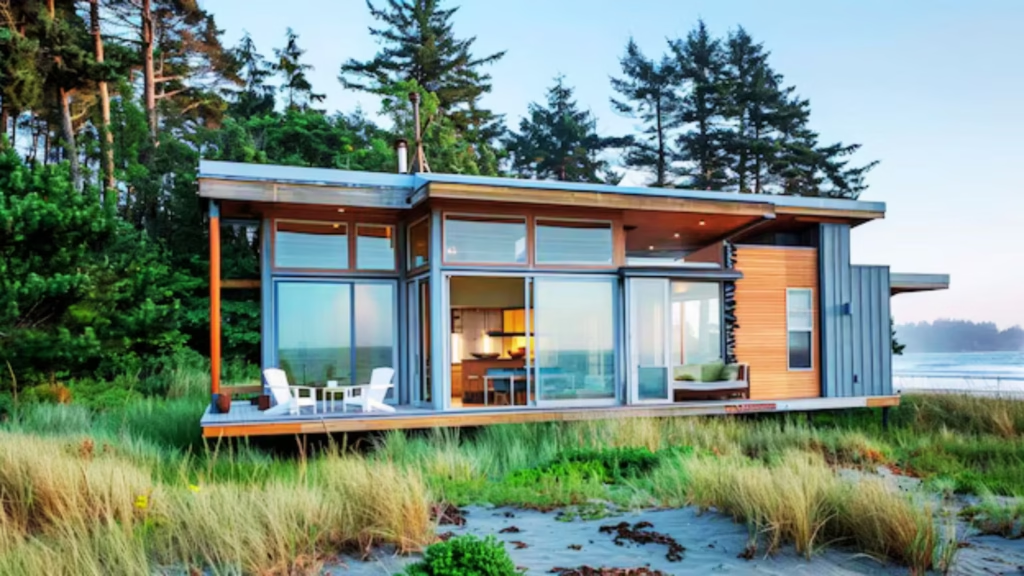
The Role of Climate in Home Design
The design of a home must adapt to the surrounding climate to ensure that it meets the occupants’ comfort needs while minimizing energy consumption. Key aspects influenced by climate include:
- Orientation and Layout: Homes in hot climates often maximize shade and ventilation, while cold-climate homes optimize sunlight exposure for warmth.
- Roof Design: Roof pitch, insulation, and materials vary depending on rainfall, snow load, and heat levels.
- Window Placement and Glazing: Positioning and glazing types affect natural light, thermal comfort, and energy efficiency.
- Ventilation and Airflow: Proper airflow reduces humidity, prevents mold, and maintains indoor comfort.
By integrating these considerations, architects and homeowners can design spaces that harmonize with the environment rather than fight it.
Climate-Specific Material Choices
Different climates require specific materials to ensure durability, energy efficiency, and comfort.
1. Hot and Arid Climates
In regions with high temperatures and low humidity:
- Materials: Lightweight materials like clay bricks, concrete, and adobe help regulate indoor temperatures.
- Design: Thick walls, reflective roofing, and shaded windows reduce heat gain.
- Energy Efficiency: Ventilation and natural cooling strategies minimize reliance on air conditioning.
2. Cold Climates
For areas with long, harsh winters:
- Materials: Insulating materials such as stone, brick, and high-performance glass retain heat.
- Design: Compact layouts minimize heat loss, while sloped roofs prevent snow accumulation.
- Energy Efficiency: Proper insulation, double-glazing, and airtight construction reduce heating costs.
3. Humid and Tropical Climates
Regions with high humidity and heavy rainfall require moisture-resistant designs:
- Materials: Treated wood, concrete, and composite materials resist rot and decay.
- Design: Elevated floors prevent water damage, and wide overhangs or verandas protect from rainfall.
- Energy Efficiency: Cross-ventilation reduces indoor humidity and cooling needs.
4. Variable or Mixed Climates
In areas with fluctuating weather conditions:
- Materials: Durable materials like brick, concrete, and insulated panels adapt to both hot and cold extremes.
- Design: Flexible layouts with adjustable shading, ventilation, and insulation cater to seasonal changes.
- Energy Efficiency: Smart systems for heating, cooling, and humidity control optimize energy use year-round.
Sustainable and Climate-Responsive Design
Climate-conscious design also aligns with sustainability principles. Using local materials reduces transportation emissions, while energy-efficient designs minimize the carbon footprint of heating, cooling, and lighting. Features such as solar panels, rainwater harvesting, and passive ventilation systems further enhance environmental compatibility.
Examples of Climate-Responsive Features:
- Green Roofs: Insulate against heat and absorb rainwater.
- Thermal Mass Walls: Stabilize indoor temperatures in areas with large day-night temperature swings.
- Overhangs and Louvers: Reduce direct sunlight exposure and glare.
- High-Performance Glazing: Maintains indoor comfort while maximizing daylight.
Benefits of Designing Homes According to Climate
- Comfort: Interior spaces remain livable and pleasant regardless of external weather.
- Energy Efficiency: Reduces dependency on artificial heating, cooling, and lighting.
- Durability: Materials last longer and withstand climate-related wear and tear.
- Cost Savings: Lower energy bills and reduced maintenance costs over time.
- Sustainability: Minimizes environmental impact by aligning construction with natural conditions.
Conclusion
Climate is a fundamental factor in home design and material selection. From layout and ventilation to roofing and insulation, homes must adapt to local environmental conditions to ensure comfort, efficiency, and durability. Architects and homeowners who consider climate in their designs not only create healthier living spaces but also promote energy efficiency and sustainability. Understanding how climate influences design decisions allows for smarter, more resilient homes that serve both occupants and the environment.
For more insights on climate-responsive design, construction, and home planning, visit cheval de base.